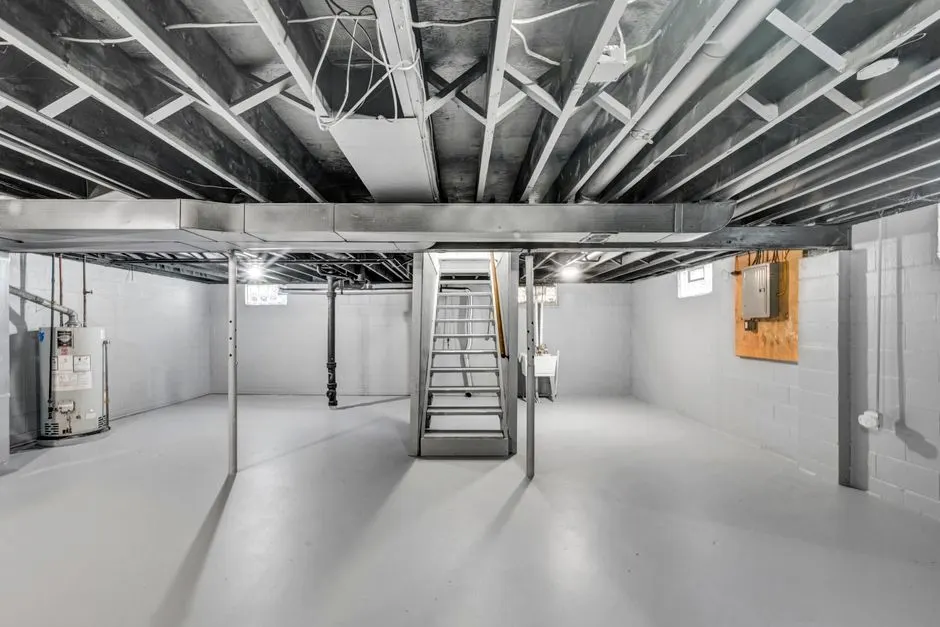
A water heater leaking from the bottom is almost always one of six things: a failed drain valve, a loose inlet or outlet fitting, a cracked dip tube gasket, condensation from a cold inlet, a pinhole in the tank shell, or a rusted-through tank floor. If the water is pooling under the tank itself and not running down the side from above, the tank is usually the culprit - and a rusted tank cannot be repaired, only replaced.
We run these calls every week across Round Rock, and the difference between a $180 fix and a $1,400 replacement comes down to where the water is actually coming from. Below we walk through each cause, how to tell them apart in ten minutes, and what to do about the wet floor underneath.
The short answer: where bottom leaks actually come from
A water heater leaking from the bottom in Round Rock TX is a plumbing failure that means water is escaping from a connection, a valve, or the tank shell itself - and it needs to be stopped within hours, not days, because a 40-gallon tank can dump its full contents onto your floor in under 15 minutes once the shell fails.
Water always finds the lowest point. That is why a leak that starts at the top of the tank, at the T&P valve, or at a supply line often shows up as a puddle at the base. Before you assume the tank is shot, dry the floor completely, wait 20 minutes, and watch where the first drop reappears. Nine times out of ten, that tells you the real story.
One more thing worth knowing: most tank-style units in Round Rock homes are 40 to 50 gallons, and a full tank weighs over 400 pounds. Once the floor is wet, you are not just dealing with a plumbing repair - you are dealing with moisture wicking into drywall, baseboards, and the subfloor. That is where our Appliance Leak Cleanup Round Rock TX team gets involved, because the water damage is often worse than the leak itself.
The six causes of a water heater leaking from the bottom
1. A failed drain valve
The drain valve sits at the bottom of every tank, and it is the single most common source of a bottom leak we see. Sediment from hard Central Texas water collects around the valve seat, the plastic or brass body cracks, and water seeps out slowly. You will usually see a drip at the spigot itself, and the tank will still be solid. A new drain valve runs $15 to $30 in parts, and a plumber can swap it in under an hour.
2. Loose inlet or outlet fittings
The nipples where the cold water enters and the hot water exits sit on top of the tank, but water runs straight down the shell and pools at the base. If your fittings are dielectric unions or flex connectors, a quarter-turn with a wrench often stops it. If they are soldered copper, this is a job for a licensed plumber - you do not want to torch a fitting next to a gas line.
3. A cracked dip tube gasket
The dip tube pushes cold water to the bottom of the tank so it heats evenly. Its gasket sits at the cold inlet. When that gasket fails, water dribbles down the inside of the shell and appears at the base. This one is sneaky because the leak looks like a tank failure when it is actually a $10 gasket.
4. Condensation, not a leak
If you just ran a long hot shower on a cool morning, the cold inlet line and the tank exterior can sweat. That condensation drips to the floor and looks exactly like a leak. Wipe the tank dry, wait an hour without using hot water, and check again. No new puddle means you have condensation, not a failure.
5. A pinhole in the tank shell
Pinholes form where the steel has thinned from years of mineral attack. They start as a slow weep and turn into a steady stream. A pinhole is not repairable - the metal around it is already compromised, and any patch will fail within weeks. Plan on replacement.
6. A rusted-through tank floor
This is the one that ends the conversation. The bottom head of a tank sits directly on the burner assembly or the heating element, and it is the hottest, most stressed part of the unit. Once rust eats through, water pours out from under the tank and no amount of tightening will help. If your unit is 8 to 12 years old and you see rust flakes on the floor, this is almost certainly what you are looking at.
Why is my water heater leaking in Round Rock TX and not somewhere else?
Round Rock's water is hard - typically 10 to 15 grains per gallon - and that mineral load is the number one reason tanks here fail earlier than the manufacturer's sticker suggests. Sediment settles on the tank floor, insulates the burner from the water, overheats the steel, and accelerates corrosion from the inside out.
Add the temperature swings we get between a 105°F August and a 25°F January freeze, and you get thermal expansion that works on every gasket and fitting in the system. Homes in Water Damage Restoration in Teravista and other newer master-planned neighborhoods often have their water heaters in the attic or a second-floor closet - which means a bottom leak does not stay in the garage. It comes through the ceiling.
Older housing stock near downtown and along the Chisholm Trail corridor tends to have units that were installed in the 2000s and are now well past their expected service life. We see the same pattern in Water Damage Restoration in Forest Creek, where original builder-grade tanks are hitting the 12-to-15-year mark and failing in clusters.
If you want to know whether the wet spot is a plumbing issue or a water damage issue, the answer is usually both. Our Water Damage Restoration Round Rock TX crews handle the extraction, drying, and repairs so you are not coordinating three different contractors while your subfloor soaks.
How to stop a water heater leak in Round Rock before it spreads
How to stop a water heater leak in Round Rock comes down to four moves you can make in the first ten minutes, and doing them in order is what keeps a $200 repair from turning into a $6,000 flooring replacement.
- Shut off the cold water supply. There is a valve on the cold inlet line above the tank. Turn it clockwise until it stops. If it is frozen or broken, shut off the main at the street.
- Kill the power or gas. For electric units, flip the double-pole breaker at the panel. For gas, turn the dial on the gas control valve to OFF - do not just turn down the thermostat.
- Drain the tank. Hook a garden hose to the drain valve and run it to a floor drain, a utility sink, or outside. This drops the water level below the leak and limits how much more escapes.
- Start drying the area. Towels and a shop vac buy you time, but standing water under a water heater will soak into the drywall and subfloor within 24 to 48 hours. Mold can start colonizing in as little as 48 hours in a warm Central Texas home.
Once the water is off, you have time to make a real decision. If the tank itself is rusted, you are replacing it. If the leak is at a valve or fitting, you are repairing it. Either way, the wet floor needs attention - that is what our Water Extraction Round Rock TX service is built for, and we can usually be on site the same day.
Repair or replace? A 2026 cost breakdown
Typical 2026 pricing in the Round Rock area looks like this. A drain valve replacement runs $150 to $280 installed. A new dip tube and gasket is $120 to $220. Replacing both flex connectors with new dielectric fittings is $180 to $350. None of those numbers include water damage cleanup.
A full tank replacement - 40 to 50 gallon, standard atmospheric vent - runs $1,100 to $1,800 installed, including haul-away of the old unit and a new expansion tank if your system needs one. Tankless replacements run higher, $2,800 to $4,500, because of the venting and gas line work.
Water damage cleanup from a bottom leak typically lands between $900 and $3,500 depending on how far the water traveled and whether drywall or flooring has to come out. If the unit is in an attic or second-floor closet, expect the higher end - water travels down through the ceiling and into the room below.
Here is the decision rule we give homeowners: if the tank is under 8 years old and the leak is at a valve or fitting, repair it. If the tank is over 10 years old, or if you can see rust on the tank floor, replace it. Patching a rusted tank is throwing money at a unit that is going to fail again in a few months, and the next failure will not be a drip - it will be a flood.
Common mistakes homeowners make with a bottom leak
The biggest mistake is treating a bottom leak as a slow drip you can live with. A rusted tank does not fail gradually. It goes from a weep to a full rupture, and when that happens you have 40 to 50 gallons on the floor in minutes.
- Ignoring the water under the tank. Even a small leak soaks the subfloor. By the time you smell it, you already have microbial growth.
- Using epoxy putty or tank sealant. These products are sold at every hardware store and they do not work on a pressurized tank. They buy you a week at best.
- Turning the thermostat up to compensate. A higher setpoint accelerates corrosion and makes the leak worse.
- Skipping the annual flush. Draining 2 to 3 gallons off the bottom of the tank once a year removes the sediment that causes most of these failures. It takes 15 minutes.
- Calling a handyman for a gas unit. Gas water heater work in Texas requires a licensed plumbing contractor. A handyman can swap an electric element; he cannot legally touch the gas valve.
If you have already made one of these mistakes and the floor is wet, stop and call us. Our Structural Drying & Dehumidification Round Rock TX team can pull the moisture out of the subfloor and framing before it becomes a mold problem.
When to call a professional
Call a professional the moment you see water under the tank and cannot identify the source in ten minutes, or any time the tank itself is wet and rusted. Those are the two situations where waiting costs you real money.
We handle the whole job - leak diagnosis, water extraction, structural drying, and the repairs that put your home back to normal. If the water reached drywall or flooring, we document everything with moisture readings and photos so your insurance claim is straightforward. If you are not sure whether you need a plumber or a restoration crew, call us first and we will tell you honestly which one you need.
Round Rock Water Damage Pro works throughout the city and the surrounding neighborhoods, including Teravista, Forest Creek, Behrens Ranch, and the older homes near downtown. We see water heater failures year-round, with a spike every January when the first hard freeze hits and a second spike in July when tanks are working their hardest.
Frequently Asked Questions
Why does my water heater leak from the bottom in Round Rock TX?
In Round Rock, the most common cause is a failed drain valve or a rusted-through tank floor, driven by hard water that runs 10 to 15 grains per gallon. Sediment collects on the tank bottom, overheats the steel, and corrosion eats through from the inside. If the tank is over 10 years old, assume the tank itself has failed.
Is a leaking water heater dangerous in Round Rock Texas?
Yes, in two ways. A gas unit with a leaking tank can short the burner or cause a carbon monoxide issue if the flue is compromised, and any leaking electric unit near standing water is a shock hazard. Beyond that, 40 to 50 gallons of water on a floor creates slip and mold risk within 48 hours.
How much does water heater leak cleanup cost in Round Rock?
Most residential cleanups in the Round Rock area run $900 to $3,500 in 2026, depending on how far the water traveled. A garage unit with a concrete floor is at the low end. An attic or second-floor unit that soaked drywall and carpet is at the high end.
Does insurance cover water heater leak damage in Round Rock TX?
Most Texas homeowner policies cover the sudden water damage - drywall, flooring, and contents - but not the water heater itself, which is considered a maintenance item. The key word is sudden. A leak you noticed for three weeks and ignored is often denied as a maintenance issue.
Should I repair or replace a leaking water heater in Round Rock?
Repair if the tank is under 8 years old and the leak is at a valve or fitting. Replace if the tank is over 10 years old, if you see rust on the tank floor, or if the leak is coming through the shell itself. A rusted tank cannot be repaired, only replaced.
Get help with Water Damage Restoration in Round Rock
If your water heater is leaking and the floor is already wet, we can be at your door today to stop the spread, dry the structure, and get your home back to normal. Call Round Rock Water Damage Pro at 512 675 8403 and we will walk you through shutting the unit down while we are on the way.