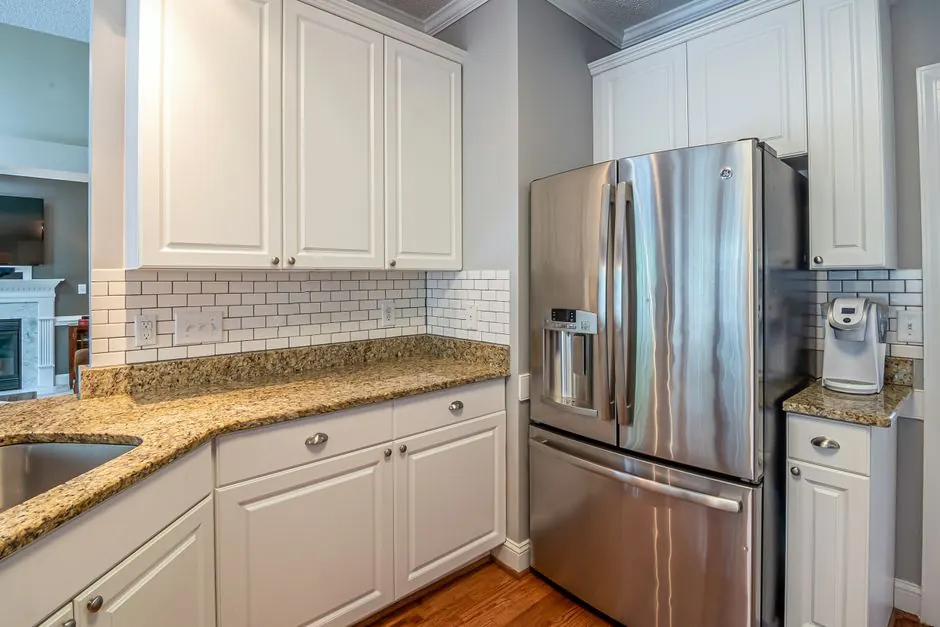
A leaking refrigerator can be a frustrating issue for homeowners in Round Rock. Common causes include clogged defrost drains, damaged door seals, or malfunctioning water supply lines. Understanding these problems can help you address the leak before it leads to more significant water damage.
In this post, we will explore the common causes of refrigerator leaks, how to fix them, and when to seek professional help from Round Rock Water Damage Pro.
Common Causes of Refrigerator Leaks
Several factors contribute to a refrigerator leaking water in Round Rock, TX. Identifying the source of the leak is crucial in preventing further damage.
1. Clogged Defrost Drain
A clogged defrost drain is one of the most common causes of refrigerator leaks. When ice builds up in the drain, it can cause water to overflow and leak onto the floor. This issue is often exacerbated in humid conditions typical of Round Rock summers.
2. Damaged Door Seals
Worn or damaged door seals can prevent your refrigerator from closing properly. This can lead to condensation and water pooling on the floor. Regularly inspecting and cleaning the door seals can help maintain their integrity.
3. Faulty Water Supply Line
If your refrigerator has a water dispenser or ice maker, a faulty water supply line can cause leaks. Cracks or loose connections in the line can lead to water escaping. Checking the supply line for any visible damage is essential.
4. Improper Leveling
If your refrigerator is not level, it can cause water to pool in certain areas instead of draining correctly. Use a level to check your appliance and adjust the feet if necessary.
5. Internal Blockages
Sometimes, internal blockages in the refrigerator can cause water to leak. This can occur due to food debris or ice buildup within the appliance. Regular cleaning can help prevent this issue.
How to Fix a Leaking Refrigerator
Knowing how to fix a leaking refrigerator in Round Rock can save you time and money. Here are some steps you can take to address the issue.
1. Clear the Defrost Drain
If you suspect a clogged defrost drain, start by locating it. It is typically found at the bottom of the refrigerator or freezer. Use warm water to flush out any debris or ice. You can also use a turkey baster for precision.
2. Inspect and Replace Door Seals
Check the door seals for any cracks or tears. If they are damaged, consider replacing them. You can find replacement seals at appliance repair stores or online. Ensure the new seals fit tightly to prevent air leaks.
3. Repair the Water Supply Line
If the water supply line is damaged, you will need to repair or replace it. Turn off the water supply and disconnect the line. Inspect it for cracks or leaks and replace it if necessary. Ensure all connections are tight before turning the water back on.
4. Level the Refrigerator
To level your refrigerator, adjust the feet using a wrench. Ensure it is level from front to back and side to side. This will help water drain properly and prevent pooling.
5. Clean the Interior
Regularly clean the interior of your refrigerator to prevent blockages. Remove any food debris and check for ice buildup. Keeping your refrigerator clean can help avoid leaks.
Common Refrigerator Leak Issues in Round Rock
Residents of Round Rock often encounter specific refrigerator leak issues due to the local climate and housing conditions. Understanding these can help you take proactive measures.
1. Humidity-Related Leaks
The humid climate in Round Rock can lead to condensation inside refrigerators, especially if the seals are not functioning correctly. This can result in water pooling at the bottom of the unit.
2. Aging Appliances
Many homes in Round Rock have older appliances that may be more prone to leaks. Regular maintenance is crucial for these units to prevent water damage.
3. Flooding and Water Intrusion
Heavy rains can cause flooding in some areas of Round Rock, which may lead to water intrusion in homes. This can affect appliances, including refrigerators, leading to leaks.
How to Prevent Refrigerator Leaks
Preventing refrigerator leaks in Round Rock is often easier than dealing with the aftermath of water damage. Here are some practical tips.
1. Regular Maintenance
Schedule regular maintenance checks for your refrigerator. This can help identify potential issues before they become significant problems.
2. Monitor Humidity Levels
Keep an eye on humidity levels in your home. Using a dehumidifier can help reduce moisture in the air, minimizing condensation inside your refrigerator.
3. Inspect Seals Regularly
Regularly inspect the door seals for any signs of wear. Cleaning them with warm, soapy water can help maintain their effectiveness.
4. Address Leaks Immediately
If you notice any leaks, address them immediately. Ignoring a small leak can lead to more significant issues down the line, including water damage that requires professional intervention.
When to Call a Professional
Knowing when to call a professional can save you time and prevent further damage. If you encounter persistent leaks or extensive water damage, it is essential to contact experts like Round Rock Water Damage Pro.
Professional help is also necessary if you are unsure about the source of the leak or if repairs are beyond your skill level. They can provide emergency water removal services and repair any damage caused by leaks.
Frequently Asked Questions
What should I do if my refrigerator is leaking water? Immediately check for the source of the leak. Clear any clogs, inspect seals, and consider calling a professional if the issue persists.
How to identify a refrigerator leak in Round Rock? Look for water pooling under the appliance, check for condensation inside, and inspect the defrost drain for clogs.
Can I fix a leaking refrigerator myself? Yes, many leaks can be fixed with basic tools and knowledge. However, for complex issues, it's advisable to consult a professional.
How often should I maintain my refrigerator? Regular maintenance should be performed at least once a year, but more frequent checks are recommended for older models.
What are the signs of a failing refrigerator? Signs include unusual noises, excessive condensation, and inconsistent temperatures. If these occur, inspect for leaks and consider professional help.